
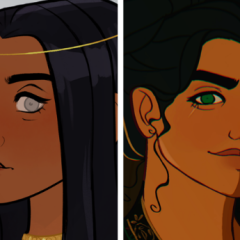
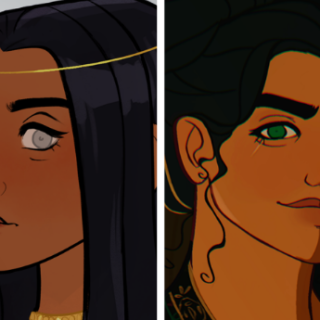





























A Tale of Crowns begins when an unsuspecting traveler is suddenly elevated to the position of Crown, the symbolic and political leader of the empire of Arsur. The protagonist’s golden eyes mark them as the rightful successor, yet they have no memory of how or why this transformation occurred. With the previous Crown dead under suspicious circumstances, the new ruler steps into a role surrounded by uncertainty. From the moment the player assumes this identity, they must balance survival with the responsibilities expected of someone who carries a title tied to ancient magic and tradition.
First Steps Into Leadership
During the early chapters, the story focuses on the protagonist’s introduction to Arsur’s customs and political landscape. The player learns about the empire through advisors, palace staff, and rivals who each offer fragments of information colored by personal motives. The court examines the new Crown with doubt, interest, or guarded curiosity. These early interactions set the tone for a narrative shaped by tension between personal identity and public expectation. Through dialogue choices, the player controls how open, diplomatic, or distant the Crown becomes while navigating unfamiliar responsibilities.
Choices and Narrative Paths
A Tale of Crowns is structured around meaningful decisions that influence relationships, politics, and magic. Each choice branches the story in new directions, shaping alliances, conflicts, and the protagonist’s sense of purpose. The game allows the player to define not only the Crown’s personality but also their role within the empire.
Common narrative elements include:
· selecting a magical approach, such as inner or outer magic,
· deciding how to respond to court pressure or manipulation,
· forming alliances with nobles and advisors,
· choosing how close to become with potential companions,
· addressing emotional or historical wounds tied to the Crown’s past.
These decisions create a dynamic storyline that adapts to the player’s values and strategies.
Themes of Identity and Fate
A Tale of Crowns examines the tension between destiny and personal choice. The Crown is expected to fulfill a role rooted in cultural tradition, yet the player may steer the character toward defiance, acceptance, or transformation. Themes of grief, responsibility, and belonging appear throughout the narrative. The world’s magical system reflects this internal struggle, symbolizing the balance between inner strength and external influence. Relationships—whether political, friendly, or romantic—serve as emotional anchors that help define how the protagonist moves through uncertainty.
