
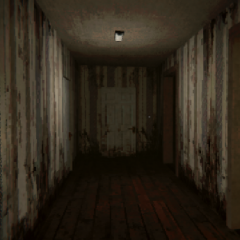
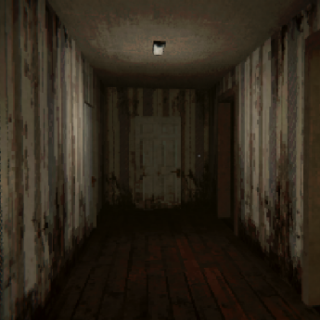
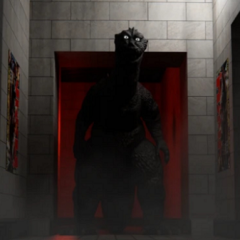
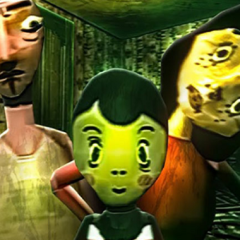







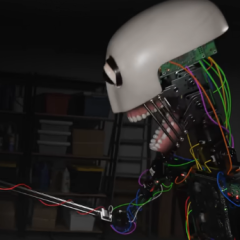
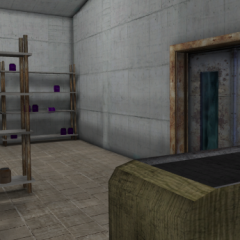
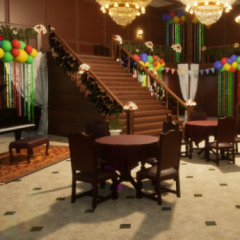
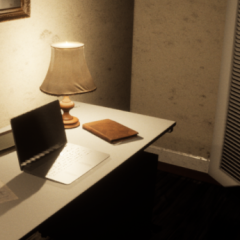
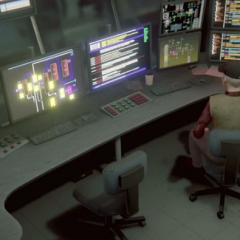
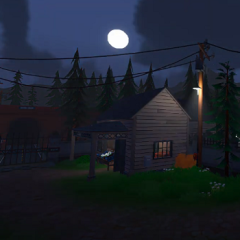


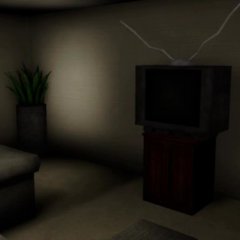
Lurking is a short atmospheric horror game that focuses on slow discovery and psychological tension rather than action. The player is placed in a familiar domestic environment where routine tasks gradually become unsettling. Nothing initially feels dangerous, yet small details begin to suggest that something is wrong. The game does not guide the player with objectives or explanations, allowing the experience to unfold naturally through movement and observation. This approach makes the player feel involved rather than directed.
Exploration And Environmental Interaction
Gameplay in Lurking is centered on moving through enclosed spaces and interacting with the environment. The player walks through rooms, opens doors, and observes changes that occur over time. There are no tools or weapons, which shifts attention entirely to the surroundings. Progress happens as the player explores and triggers events simply by being present in certain locations. This design encourages slow movement and careful observation, making every step feel deliberate.
Storytelling Through Subtle Changes
The narrative in Lurking is told indirectly. Instead of dialogue or written explanations, the story is revealed through environmental shifts and implied events. Players begin to notice patterns, inconsistencies, and behaviors that suggest something hidden beneath the surface. During the experience, players often encounter:
· areas that appear different when revisited
· objects that behave in unexpected ways
· sounds that suggest unseen movement
· visual details that create unease
· moments that hint at a larger situation
These elements allow the player to piece together meaning without being told exactly what is happening.
Atmosphere And Emotional Direction
The atmosphere plays a central role in shaping the experience. Sound design is minimal, making silence feel heavy and intentional. Lighting is used to guide attention and create discomfort without dramatic effects. The environment feels familiar yet increasingly wrong, which creates tension through contrast rather than shock. This slow build encourages the player to remain alert, anticipating changes that may or may not occur.
Pacing And Structure
Lurking is designed as a linear experience meant to be completed in a single session. The pacing is steady, giving the player enough time to absorb each moment without feeling rushed. There are no side paths or optional objectives, which keeps the focus on the narrative flow. The simplicity of the structure allows the atmosphere to remain consistent from beginning to end.
