








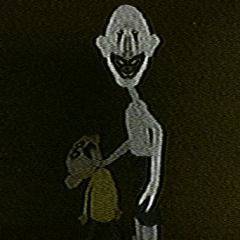
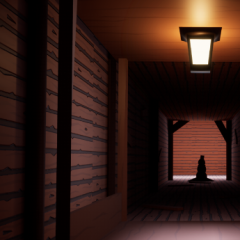


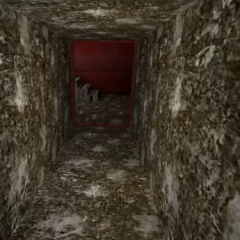


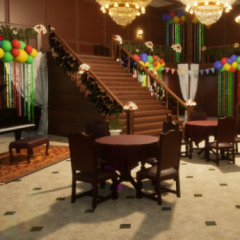

Devil In White is a short psychological horror game that places the player in the role of a medical worker inside a rigid and controlled environment. From the first moments, the setting feels orderly and calm, yet something beneath the surface feels off. The game does not rely on direct storytelling or fast-paced events. Instead, it uses repetition, routine, and silence to slowly build discomfort. The player is not told what to think or how to feel, which makes every action feel heavier as the experience unfolds.
Routine As A Core Mechanic
The main structure of Devil In White is built around repetition. Each in-game day follows a similar pattern, with the player performing assigned tasks inside the facility. Movement is limited and deliberate, reinforcing the idea of control and obedience. There are no traditional challenges or enemies to overcome, and progress happens naturally as the player follows instructions. This design makes the routine itself feel unsettling, especially as small changes begin to appear over time.
Player Choices And Hidden Meaning
Although the gameplay appears simple, the choices made by the player carry narrative weight. Actions that seem neutral at first may later feel uncomfortable or questionable. The game encourages players to pay attention to subtle details and reflect on their role within the system. During play, the player commonly interacts with:
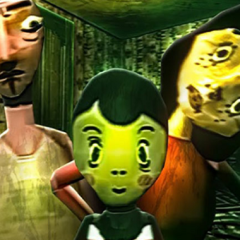
· patients whose behavior slowly changes
· medical tools tied to routine procedures
· rooms that feel different over time
· repeated instructions that gain new meaning
· moments that challenge personal judgment
These interactions form the backbone of the experience, shaping how the story is perceived rather than directly told.
Atmosphere And Psychological Impact
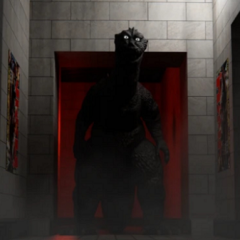
Devil In White relies heavily on atmosphere to communicate tension. Sound design is minimal, making silence and ambient noise stand out. The visual style reinforces a sense of isolation, with clean spaces that feel empty rather than comforting. Lighting and spacing are used carefully to guide attention and create unease without relying on sudden events. The result is a slow, persistent pressure that grows as the player continues forward.
Structure And Pacing
The game is designed to be completed in a single session, with a linear structure that supports its narrative focus. There are no side activities or distractions, allowing the experience to remain concentrated. The pacing is steady, giving players time to process each moment without feeling rushed. This controlled flow helps maintain tension and ensures that the story remains the central focus from start to finish.
