
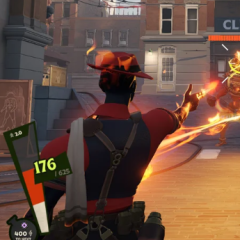
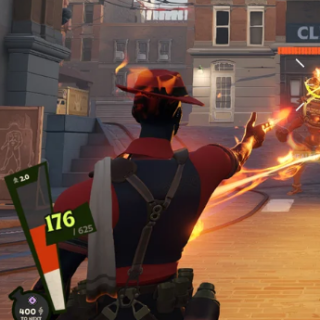











Deadlock is a multiplayer team-based game that combines third-person shooting with strategic elements commonly found in competitive arena titles. Players are divided into two teams and placed on large maps where the main objective is to push through lanes and destroy the opposing side’s core structure. Each match is built around coordination, positioning, and timing rather than fast reflexes alone. The game emphasizes cooperation, as individual actions directly affect the progress of the entire team.
Match Flow And Objectives
A match in Deadlock begins with both teams moving into separate lanes that lead toward the enemy base. Along these lanes, automated units advance forward, creating pressure points that players must support or defend. Defeating enemy units and opposing players grants resources used to improve characters during the match. Objectives placed along the lanes act as checkpoints that must be cleared before teams can move deeper into enemy territory. The pace of each match depends on how well teams manage resources and react to changing situations.
Characters And Gameplay Systems
Each player selects a character with a specific role and set of abilities. Some characters focus on damage, others provide support or control space on the map. The game uses a progression system where abilities and upgrades become stronger as the match continues. Decisions made early in the game can influence how effective a character becomes later. Players must balance aggression with caution, as mistakes can slow team progress or give opponents an advantage.
Core gameplay elements include:
· Selecting a character with unique abilities
· Pushing lanes with allied units
· Defeating enemies to gain resources
· Upgrading abilities during the match
· Coordinating attacks with teammates
These systems create a loop where strategy and teamwork are as important as mechanical skill.
Map Design And Movement
Movement plays a major role in Deadlock. Maps are designed with vertical and horizontal paths that allow for flanking, retreating, or fast repositioning. Traversal mechanics help players move between objectives quickly, which makes map awareness essential. Controlling key areas can determine the outcome of team fights and influence which side gains momentum during a match.
Progression And Team Coordination
Unlike games focused solely on individual performance, Deadlock rewards coordinated play. Teams that communicate and plan their actions tend to perform better than those relying on solo efforts. Progression happens within each match rather than across long-term accounts, keeping the focus on tactical decisions made in real time. This structure encourages players to adapt their strategies based on the current state of the match rather than follow a fixed routine.
Deadlock offers a competitive experience centered on teamwork, positioning, and strategic progression. The mix of shooter mechanics with lane-based objectives creates a format that rewards planning and cooperation. Each match presents different challenges depending on team composition and player choices, which keeps gameplay varied over time. The design supports repeated play while maintaining a clear focus on coordinated action and objective control.
