
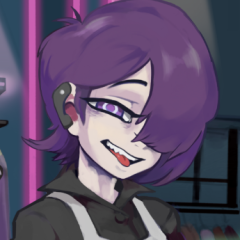
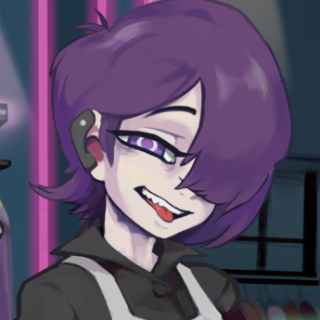






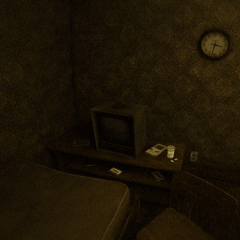


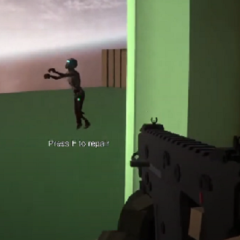

My Dystopian Robot Girlfriend is a narrative-driven game that combines visual novel elements with light management and choice-based progression. The player interacts with an artificial companion in a controlled, futuristic setting where technology shapes daily life. The game focuses on dialogue, decision-making, and observing how small choices influence the relationship between the player and the robotic character. Instead of fast-paced action, the experience is built around reading, selecting responses, and interpreting consequences.
Story Structure And Setting
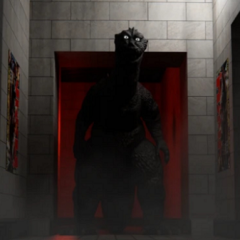
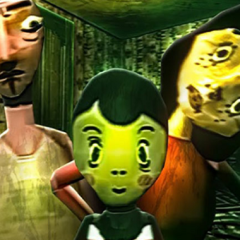
The game takes place in a dystopian environment where advanced technology is integrated into personal life. The player is introduced to a robot companion designed to assist, communicate, and adapt to human behavior. Over time, conversations reveal more about the world, the nature of artificial intelligence, and the limitations placed on both humans and machines. The setting remains contained, which helps keep attention on character interaction rather than exploration or combat.
Interaction And Choice System
Gameplay is driven primarily through dialogue options and small decisions that affect how the robot responds. These choices influence the tone of interactions and gradually shape the direction of the narrative. There are no complex mechanics, but attention to detail is important, as repeated actions can change how the character behaves. The game encourages players to think about how they communicate rather than how quickly they react.
Key gameplay elements include:
· Selecting dialogue options that affect relationships
· Observing behavioral changes in the robot character
· Managing limited daily interactions
· Unlocking new conversation paths
· Reaching different narrative outcomes
These elements form the core loop and define how the story unfolds over time.
Themes And Presentation
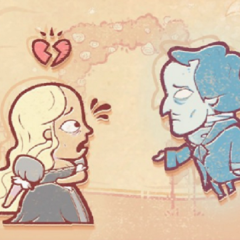
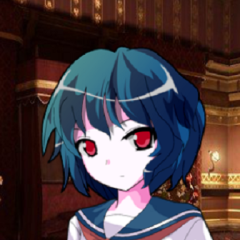
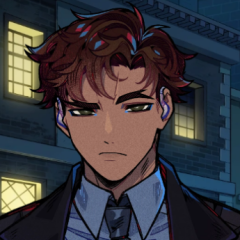
My Dystopian Robot Girlfriend explores themes related to control, dependency, and emotional simulation. The presentation is minimal, focusing on character portraits, text, and subtle visual cues. Music and sound design are used sparingly to support mood rather than dominate attention. The restrained style allows players to focus on dialogue and the implications behind each choice.
Progression And Replay Value
Progression in the game is tied to story development rather than skill or upgrades. Different choices can lead to alternate scenes or endings, encouraging multiple playthroughs. Because outcomes depend on accumulated decisions, replaying the game can reveal new perspectives on the characters and setting. The structure supports short sessions while still offering enough variation to justify returning.
