
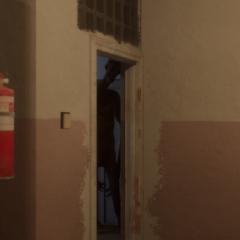
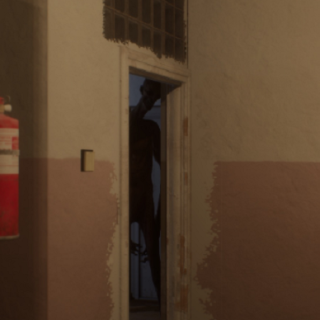

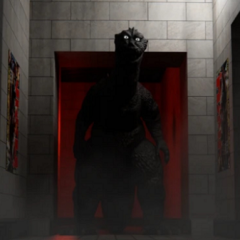








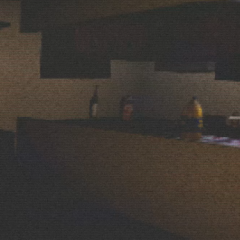

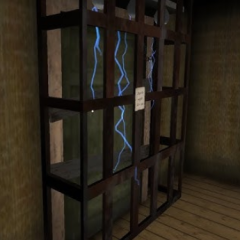
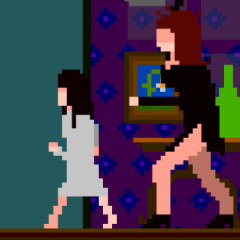
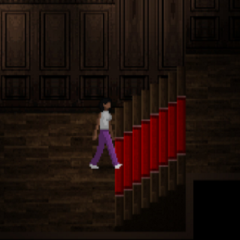
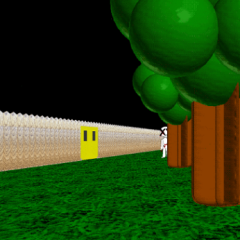

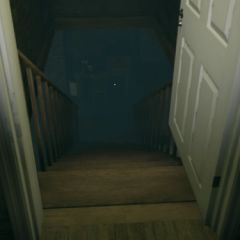
CALLUS is a short first-person psychological horror game centered on exploration within a single residential space. The player enters an apartment connected to the protagonist’s past and is allowed to move freely without guidance or stated objectives. From the beginning, the game establishes a closed environment where all narrative and mechanical elements are contained. There are no external locations, no visible interface, and no direct instructions. Progress depends on how the player navigates the space and responds to changes within it.
Narrative Delivery
The narrative in CALLUS is conveyed without dialogue, text explanations, or cutscenes. Instead, the story develops through environmental shifts that occur as the player revisits rooms. Familiar objects, room layouts, and sounds gradually change, suggesting emotional memory rather than physical transformation. The game focuses on themes of childhood experience and family influence, but these ideas are never stated directly. Interpretation is left to the player, who must connect repeated visual and auditory details to form an understanding of the situation.
Interaction Model
Player interaction is minimal and consistent throughout the game. The player can walk and observe but cannot manipulate objects in a traditional way. There are no puzzles to solve and no penalties for incorrect actions. The environment responds automatically when the player reaches certain locations or remains in an area for a period of time. This structure removes challenge-based progression and replaces it with sequence-based advancement.
Core interaction elements include:
· first-person movement inside a fixed interior
· location-based environmental triggers
· repetition of navigation through the same rooms
· visual changes tied to progression
· sound cues indicating transitions
These elements create a controlled flow where attention is more important than action.
Spatial and Audio Design
The apartment in CALLUS is designed to resemble a realistic living space, with ordinary furniture and recognizable room layouts. This familiarity makes small changes more noticeable over time. Lighting plays a functional role, often marking shifts in narrative state rather than guiding movement. Audio design relies on ambient sound and subtle effects instead of music. Changes in sound often precede or follow visual transitions, reinforcing progression without explicit signaling.
