




















Unconventional Interaction Model
The experience is based entirely on clicking, opening pages, and revisiting content. Each action can affect what appears next, even if the change is not immediate. The player does not receive feedback in a traditional sense, so understanding progress depends on noticing alterations in layout or behavior.
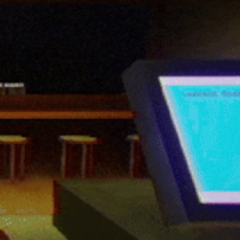
Unlike standard games, there is no movement through a world or direct control over events. The interface itself becomes the environment, and interaction is limited to how the player navigates it. This creates a slower and more observational form of engagement.
Gradual Disruption Of Structure
As the player continues exploring, the platform begins to show inconsistencies. Pages may display altered content, familiar elements can behave differently, and the overall tone starts to shift. These changes are not introduced suddenly, which makes them more difficult to identify at first.
There is no explanation for why the system behaves this way. The player must interpret what is happening by comparing earlier and later states of the interface. This process turns simple browsing into a form of investigation.
Key Gameplay Elements
The experience is built around several core aspects:
- Navigation through a simulated digital interface
- Limited interaction focused on clicking and revisiting content
- Hidden triggers that depend on player behavior
- Gradual changes in tone and presentation
- Indirect storytelling through visual inconsistencies
These elements define how the player engages with the game.
Interpretation And Replay Value
The design encourages multiple sessions because not all changes are immediately visible. Players may overlook important details during the first attempt and return to explore the interface more carefully.
Replay value is based on interpretation. As familiarity with the structure increases, players begin to understand how different actions influence the system. The experience remains the same in form, but perception changes, allowing deeper understanding of how the environment operates.
