
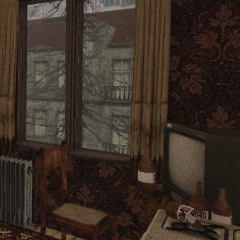
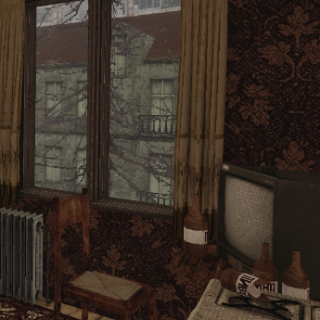

















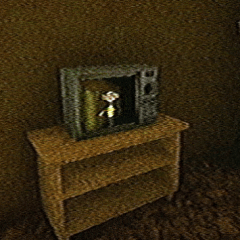


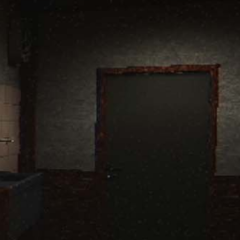
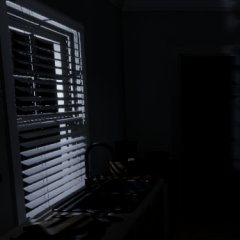




Detektiv is a first-person investigation game built around a single case that unfolds through careful exploration. The player assumes the role of a detective sent to examine a violent incident in a rural area. There are no clear instructions or mission markers pointing to the next step. Instead, the experience depends on moving through locations connected to the case and paying attention to what the environment reveals. The game establishes its direction through context rather than guidance, requiring the player to actively interpret what is seen.
Investigation Structure and Player Role
Player control in Detektiv is intentionally limited to basic movement and object interaction. There are no combat mechanics, timed sequences, or complex interfaces to manage. This places full focus on the investigation itself. The detective does not provide constant commentary, which means conclusions are formed internally by the player. Each discovered clue subtly pushes the investigation forward, often unlocking access to the next location or confirming a hypothesis about the crime.
Use of Environment and Evidence
The environments in Detektiv function as narrative tools rather than obstacles. Locations are designed to be read visually, with objects placed to suggest prior actions or events. Evidence is not highlighted aggressively, so careful observation is required. Some details only gain relevance after other information is found, encouraging players to mentally connect findings across locations. Exploration is methodical, and rushing through areas risks missing important context.
In the central phase of the investigation, the player regularly focuses on:
· examining indoor and outdoor locations
· reading written materials related to the case
· observing object placement and environmental details
· returning to earlier areas with new information
· forming links between separate pieces of evidence
Pacing and Narrative Delivery
The pacing of Detektiv is steady and uninterrupted. There are no sudden threats or scripted interruptions that break focus. Progress happens only when the correct information is found, which gives the player control over the investigation’s rhythm. This structure supports logical thinking, as players decide where to go next based on what they already know rather than reacting to external pressure.
Detektiv is designed to be completed in a short, single session, offering a contained narrative experience. There are no branching storylines or alternate endings that depend on player choice. The outcome is fixed, shaped by the evidence presented throughout the game. Replay value comes from understanding how information is layered and how efficiently the case can be resolved. The game emphasizes observation and reasoning, presenting investigation as a process of reconstruction rather than action or challenge-based progression.
