
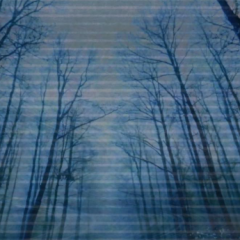
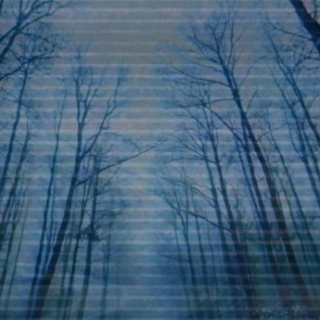
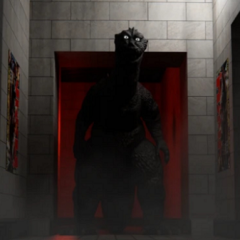
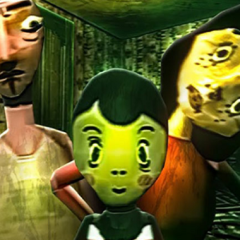







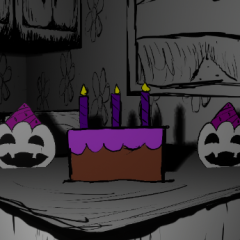
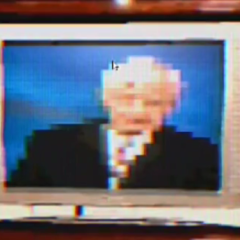
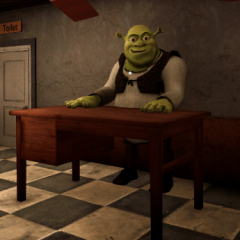
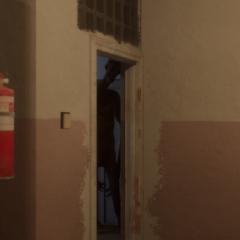

Some horror games present their story through recorded events rather than traditional storytelling. Don’t Play This follows this approach by placing the player inside a series of situations that were captured on camera before something went wrong. Each segment begins shortly before the recording ends, and the player explores the location to understand what happened during those final moments. The experience is built as a first-person walking simulator where movement, observation, and listening are the primary ways to progress through the story.
A Collection Of Short Horror Scenarios
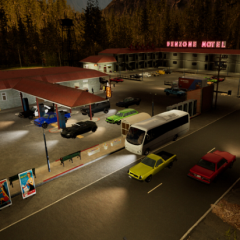
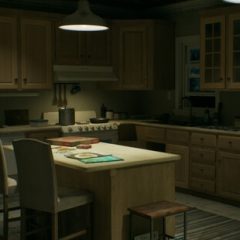
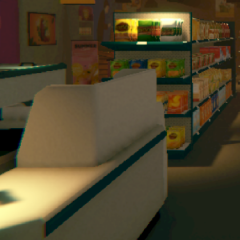
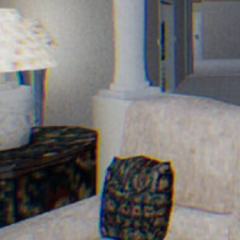
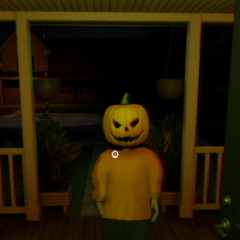
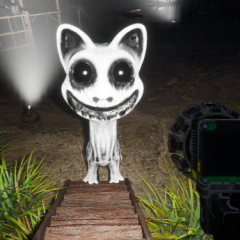
Instead of a single long storyline, Don’t Play This is organized as a set of independent episodes. Every episode shows a different environment and situation connected to a recorded incident. The player enters these scenes as if replaying footage that was left behind after the event. Locations may include interior spaces, isolated buildings, or other areas where the events took place.
The narrative unfolds through objects placed in the environment and small details visible during exploration. Rooms may contain items that reveal what the characters were doing before the recording stopped. Audio cues and visual changes can also provide hints about the sequence of events.
How The Gameplay Works
The game relies on simple mechanics that allow players to focus on observation and investigation. Controls follow a typical first-person exploration format, where the player moves through the environment and interacts with objects.
During each episode the player typically performs several tasks:
· exploring rooms, corridors, or outdoor spaces
· inspecting objects that contain narrative clues
· listening for sounds or dialogue connected to the event
· following environmental details to understand the situation
· reaching the final moment that ends the recording
Because the story is not explained directly, attention to small details becomes an important part of the experience.
Design And Presentation
Don’t Play This uses a short-form structure where each scenario can be completed in a limited amount of time. The demo version, for example, can be finished in roughly fifteen minutes, making it a compact horror experience focused on atmosphere and narrative discovery.
Visual design and sound play a major role in building tension. Quiet locations, sudden environmental changes, and realistic sound effects create a sense of uncertainty while the player explores the recordings. Instead of large action sequences, the game focuses on the moments leading up to an unexplained outcome.
