
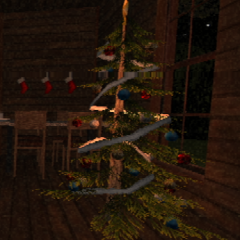
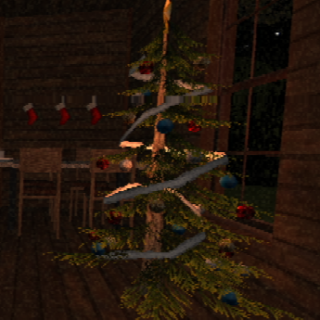

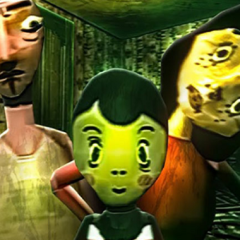











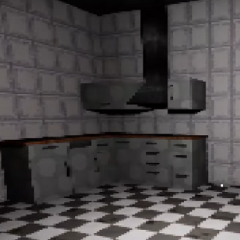
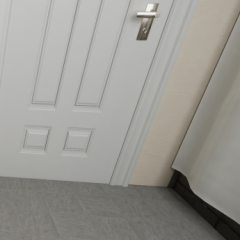
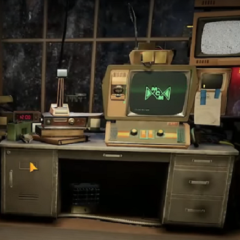

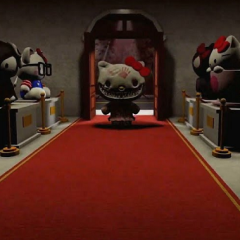
Don’t Stay Awake is a short first-person horror game built around a simple premise that gradually becomes unsettling. The player controls a child who decides to stay awake late at night, driven by curiosity rather than a clear objective. The setting appears ordinary at first, with a quiet house and familiar surroundings. There are no instructions or visible goals, so the player must rely on context and environmental changes to understand what to do next. The experience unfolds through movement and observation rather than active problem-solving.
Player Role and Basic Interaction
Interaction in Don’t Stay Awake is intentionally minimal. The player can move through rooms, look around, and interact with a small number of objects when prompted. There is no inventory system, combat, or dialogue choice. Every action feels deliberate because the game limits what can be done at any moment. This simplicity places focus on timing and awareness, as even small movements can trigger changes in the environment.
Environment and Suspense Building
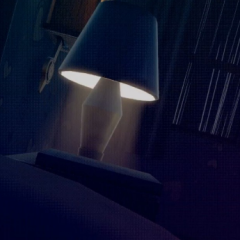
The house serves as the entire playable space, and its layout remains mostly unchanged throughout the game. What evolves instead is how the space feels as events begin to occur. Lighting shifts, sounds emerge unexpectedly, and previously safe areas start to feel unsafe. The game does not explain these changes, forcing the player to connect them mentally. Suspense comes from waiting and watching rather than being chased constantly.
During the central portion of the game, the player repeatedly engages with:
· walking through quiet interior rooms
· observing changes in lighting and sound
· interacting with a limited set of objects
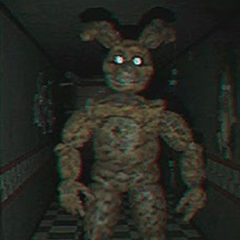
· reacting to sudden visual interruptions
· following implied progression cues
Progression and Event Triggers
Progression is linear and based on triggering specific moments rather than completing tasks. Certain actions or delays cause new events to occur, often without warning. The player is encouraged to keep moving forward, even when the situation becomes uncomfortable. There are no checkpoints, and failure results in restarting the experience, reinforcing careful attention to each step. Learning comes from understanding which actions move the sequence forward.
Don’t Stay Awake is designed to be completed in a single short session. It does not offer alternate endings, optional paths, or replay-focused mechanics. Any replay value comes from noticing details that were missed during the first run. The game relies on restraint and pacing, using familiar spaces and limited interaction to create a focused horror experience. By avoiding complex systems, it keeps attention on atmosphere and anticipation, delivering tension through timing rather than sustained action.
