
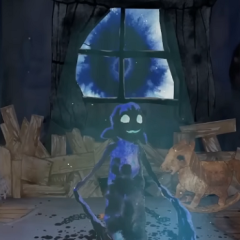
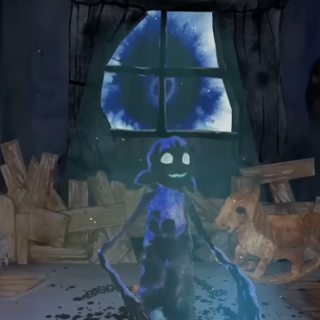

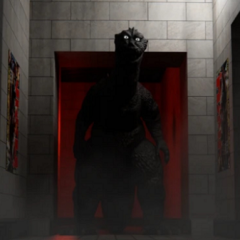
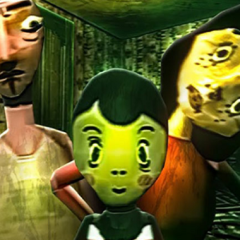


















Gretel & Hansel Remake is built as a point-and-click adventure that emphasizes structured logic and controlled interaction. The player guides Gretel through a forest composed of isolated locations, each operating under specific conditions that must be discovered through interaction. The remake combines earlier episodic content into a single sequence, which removes segmentation and allows mechanics to develop across a continuous timeline. This design places importance on memory, as actions performed earlier can influence situations encountered much later.
Environmental Structure and Scene Design
Each location functions as a closed system with a limited number of interactive elements. The game avoids large navigable spaces, instead focusing on tightly framed scenes where every object may serve a purpose. Visual composition directs attention toward possible interactions without explicitly marking them. Progress often requires returning to previously visited areas once new states are triggered elsewhere, reinforcing a loop of observation, reassessment, and application rather than forward-only movement.
Gameplay Systems and Player Decision-Making
Interaction in the game follows consistent internal rules, though these rules are not explained directly. The player must learn through repeated actions and observation of outcomes. Incorrect decisions are not treated as dead ends but as alternative paths that reveal information or modify the environment. Central gameplay systems include:
· conditional object behavior based on world state
· sequence-based puzzle resolution
· delayed environmental reactions
· indirect influence over companion actions
· progression tied to state changes instead of objectives
These systems require attention to cause and effect, encouraging deliberate experimentation over immediate problem-solving.
Visual Language and Functional Presentation
The visual style relies on hand-drawn 2D artwork layered to suggest depth. Movement and animation are restrained, with changes in posture, timing, or lighting used to indicate shifts in interaction state. The game minimizes interface elements, embedding feedback directly into the environment. This approach requires players to rely on visual cues within the scene rather than external indicators, reinforcing immersion and consistency.
Narrative Structure and Character Roles
Narrative information is delivered through gameplay outcomes rather than exposition. Dialogue is minimal and does not explain mechanics or objectives. Gretel’s role as the active problem-solver is defined by direct player control, while Hansel’s behavior reflects dependency and limitation. Their relationship is expressed through mechanical constraints rather than scripted storytelling, making player decisions central to narrative progression.
