









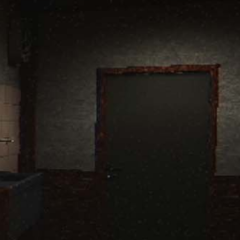

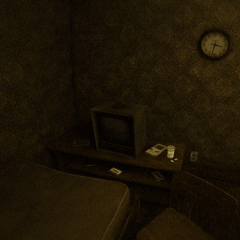


How To Build A Snowman is a short first-person horror game that presents itself as a calm, step-by-step winter activity before gradually changing its meaning. The player is placed in a snowy outdoor environment and is asked to complete a familiar task by following clear instructions. There is no immediate danger, no countdown, and no complex interface. The experience relies on repetition and sequence, allowing the player to focus on what they are doing and, more importantly, where they are doing it.
Instruction-Based Gameplay Structure
The game is structured around following explicit instructions that describe how to build a snowman. Each step unlocks the next part of the experience, creating a linear flow that feels almost routine. Player interaction is limited to movement and simple object interaction, which keeps mechanical complexity low. This design choice places emphasis on the act of following directions rather than solving problems or reacting quickly.
Environment as Narrative Context
The snowy environment plays a central role in how the experience unfolds. At first, the surroundings appear neutral and open, but as progress continues, locations begin to feel more deliberate. Paths, landmarks, and object placement suggest that the task is connected to something beyond the surface-level goal. The game does not explain this shift directly, leaving the player to notice patterns and changes through exploration.
In the central section of the game, the player repeatedly engages with:
· rolling snow to form the base structure
· searching the environment for required items
· moving between distinct snowy areas
· completing steps in a fixed order
· triggering progression through instruction completion
Pacing and Gradual Shift
Pacing is slow and controlled, with no option to skip steps or move ahead prematurely. This creates a sense of commitment to the process, even as the context begins to feel unfamiliar. The repetition of actions reinforces the instructional tone while allowing tension to build subtly. Occasional changes in layout or presentation break the rhythm just enough to signal progression without disrupting the structure.
