












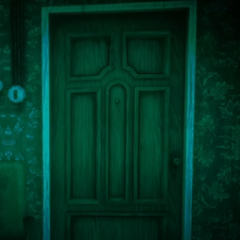
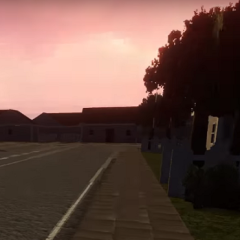
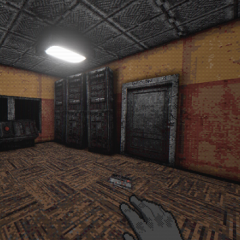
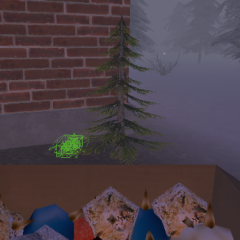

Kacipbara is a short horror game built around exploration and unexpected narrative turns. The player is placed in a rural setting where everyday tasks quickly begin to feel unusual. At first, the environment seems calm and predictable, but as time passes, small details suggest that something is wrong. The game does not rely on direct storytelling or explanations, instead allowing the player to discover meaning through movement and observation. Its structure is simple, but the way events unfold encourages careful attention to surroundings.
Exploration And Core Gameplay
The gameplay in Kacipbara is based on walking through a limited area and interacting with objects that trigger progression. There are no combat mechanics, no complex systems, and no inventory management. The player advances by exploring the environment and activating events at specific moments. This minimal design keeps the focus on atmosphere and timing rather than mechanical skill. Each interaction feels intentional, guiding the player deeper into the experience without the need for instructions or tutorials.
Narrative Flow And Player Involvement
The story in Kacipbara develops gradually through environmental cues and subtle changes in the world. Instead of using dialogue or cutscenes, the game relies on what the player sees and hears. As the situation evolves, the player begins to understand that their actions influence the outcome. During the playthrough, players usually encounter:
· locations that change after interaction
· objects that hint at previous events
· moments that alter the tone of the environment
· decisions that affect how the story ends
· visual signals that suggest danger or transformation
These elements work together to create a narrative that feels personal and open to interpretation.
Atmosphere And Visual Design
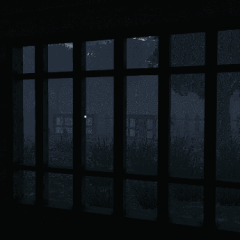
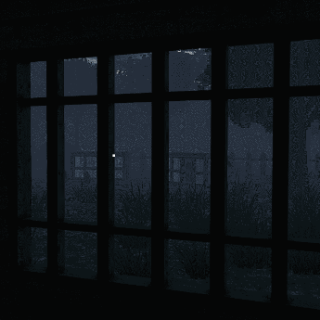
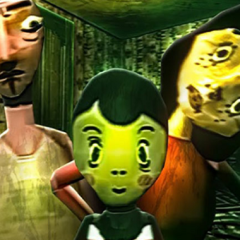
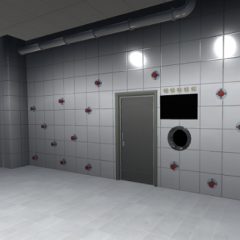
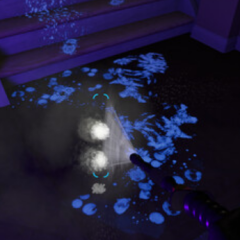
The visual style of Kacipbara uses simple shapes and lighting to support its unsettling tone. The environment feels familiar but slightly off, which helps create tension without relying on complex graphics. Sound design plays an important role, using silence and subtle effects to make the player feel isolated. The combination of visuals and audio encourages the player to move carefully and observe changes as they occur.
Endings And Replay Structure
Kacipbara features more than one ending, giving players a reason to revisit the game. After completing it once, different choices or actions can lead to an alternative conclusion. This design adds depth to the experience, as players may reinterpret earlier moments when replaying the game. The short length makes multiple playthroughs manageable, allowing players to see all outcomes without repetition feeling tedious.
