




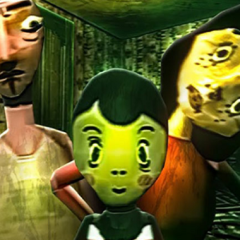
















Love Limit is a narrative-focused visual novel that places personal interaction at the center of a rapidly changing situation. The player begins in a familiar scenario that suggests a standard social encounter, but events quickly move in an unexpected direction. Instead of relying on mechanics or challenges, the game advances through dialogue and choice, asking the player to respond to developments as they arise. The experience is designed to be approachable, with all progression tied to reading and decision-making.
Opening Situation and Narrative Shift
At the start, the story frames itself around a casual meeting arranged with minimal context. This ordinary setup establishes a baseline that makes later developments stand out clearly. When the situation escalates, the game does not pause to explain rules or systems. Instead, it allows characters to react in real time, letting the player infer stakes and consequences through conversation. This approach keeps the focus on interaction rather than exposition, guiding the narrative forward through response and reaction.
Decision-Making and Branching Paths
Choices in Love Limit are presented through dialogue options that appear at specific moments. These selections influence character responses and determine which narrative routes become available. There are no right or wrong answers in a mechanical sense; outcomes depend on tone, intent, and consistency. Because scenes can change significantly based on decisions, the structure encourages replay without requiring long sessions or complex planning.
In the central portion of the story, the player frequently engages with:
· reading dialogue-heavy scenes
· choosing between conversational responses
· observing shifts in character dynamics
· reaching different narrative branches
· unlocking varied conclusions
Character Interaction and Focus
The game places strong emphasis on how characters communicate under pressure. Conversations explore misunderstandings, negotiation, and personal boundaries rather than action. Each character responds differently depending on the player’s approach, which gives weight to even small dialogue choices. Relationships develop entirely through conversation, reinforcing the idea that interaction itself is the core mechanic.
Format, Length, and Replay Value
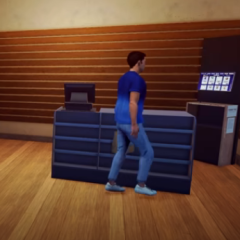
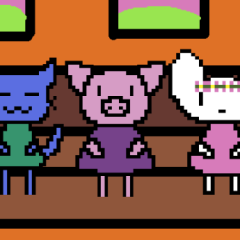
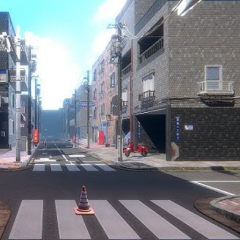
Love Limit follows standard visual novel presentation, using character portraits and static backgrounds to support the text. The pacing is controlled by the player, allowing scenes to be read quickly or carefully revisited. A single playthrough is relatively short, but multiple endings expand the overall experience. There are no difficulty settings or alternative gameplay modes, keeping attention on narrative variation rather than system mastery.
