























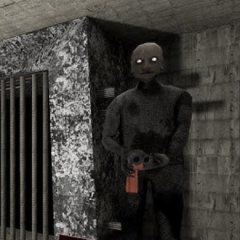


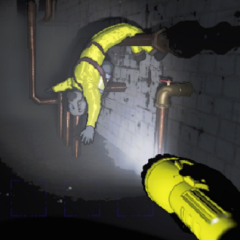

Quarantine Zone is a management game in which the player operates a checkpoint designed to prevent infected individuals from entering a protected settlement. Each shift presents a new set of survivors who may carry infection risks, false documents, or suspicious items. The player must assess their status through inspection, screening tools, and observation. Every decision shapes the safety of the camp, making it important to evaluate information carefully while maintaining a steady pace.
Daily Intake and Screening Conditions
In Quarantine Zone the player encounters different types of survivors, each with unique details and behaviors. Some bring complete paperwork, while others arrive with unclear records or missing information. The player performs identification checks, monitors vital indicators, and watches for signs that suggest possible infection. As days progress, new symptoms and emerging patterns require the player to adapt their observations. The screening line grows quickly, adding pressure to maintain accuracy without unnecessary delays.
Decision Tools and Game Systems
Quarantine Zone uses a series of structured tools that guide the player’s choices. Key gameplay systems include:
· Reviewing personal documents for inconsistencies
· Conducting basic health examinations
· Checking bags or containers for restricted items
· Assigning individuals to quarantine facilities
· Rejecting entries that may compromise safety
These systems form a decision-making framework that must be applied consistently to prevent threats from slipping through.
Balancing Efficiency and Settlement Needs
The settlement behind the checkpoint depends on the player’s ability to manage risk without disrupting operations. Accepting too many individuals with uncertain status can endanger the population, while excessive rejections reduce manpower and slow camp development. Limited quarantine space also requires careful planning, since overcrowding can create additional issues. The player must weigh short-term safety against long-term requirements, making each decision part of a larger strategy.
Evolving Threats and Long-Term Gameplay
Quarantine Zone maintains tension by gradually introducing new factors that complicate screenings. Updated scanning devices, new symptom types, and shifting infection sources make routine checks more challenging. Mistakes accumulate into larger consequences, affecting resource levels and the settlement’s overall stability. Because survivor profiles and infection patterns vary across playthroughs, the player can revisit the game to explore different screening approaches. This variability supports replayability and encourages players to refine their decision-making methods across multiple attempts.
