

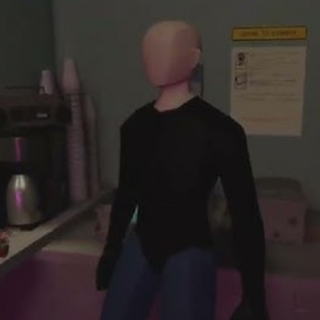

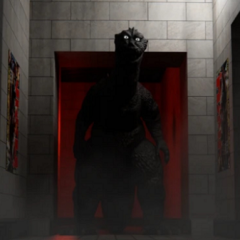
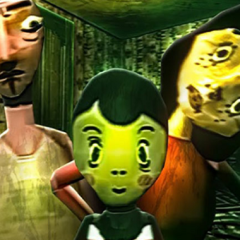







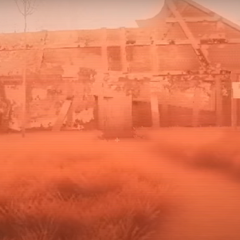
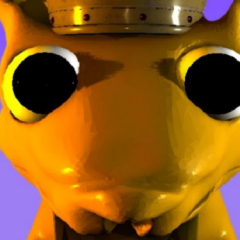
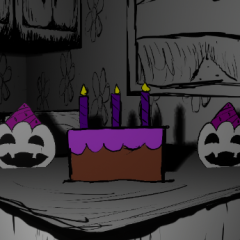

Scary Shawarma Kiosk: the ANOMALY is a horror experience focused on controlled routine and restricted space. The player works alone during a night shift at a small shawarma kiosk, completing basic food service tasks while monitoring unusual activity. The game is designed around repetition, where familiar actions create a sense of order that is gradually challenged. Progress depends on careful attention rather than speed or complex mechanics.
Work Routine And Rule System
Each shift begins with the player inside the kiosk, facing a list of written rules that govern all actions. These rules explain how orders must be prepared, when customers should be served, and how to react to specific situations. The player is expected to follow them exactly, without interpretation or improvisation. Preparing shawarma is straightforward, but the difficulty comes from performing tasks while constantly checking for rule violations. Any mistake can immediately end the shift.
Customer Interaction And Judgment
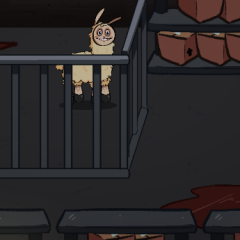
Customers approach the kiosk one by one, and each interaction requires evaluation. Some customers behave normally and follow expected patterns, while others display irregular behavior that signals danger. These signs may appear in speech, appearance, or timing. The player must decide whether to serve the customer or close the service window to prevent interaction. These decisions are made quickly and without confirmation, placing full responsibility on the player’s judgment.
In the middle of the gameplay loop, several core elements consistently define each night:
· Preparing shawarma using a fixed sequence of steps
· Observing customers before opening the window
· Following posted rules without deviation
· Managing access through the service window
· Responding to unexpected events during the shift
Environment And Tension Build-Up
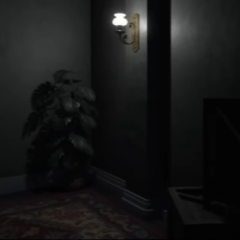
The kiosk environment remains visually consistent, which increases tension when small changes occur. Sounds, lighting shifts, or sudden interruptions indicate that conditions are becoming unstable. As time passes, anomalies appear more frequently, forcing the player to make decisions with less time to react. The confined space removes any option to escape, keeping focus on the window, rules, and immediate surroundings.
The game avoids traditional progression systems such as upgrades, abilities, or checkpoints. Each shift is a complete attempt, and improvement comes from memory and pattern recognition. Players learn through repetition, gradually understanding which behaviors signal danger and which actions lead to survival.
