



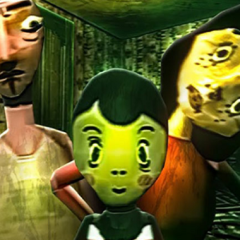

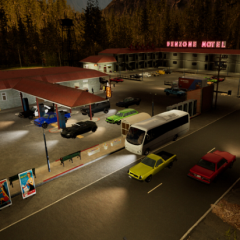








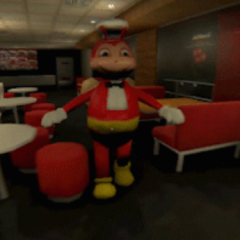

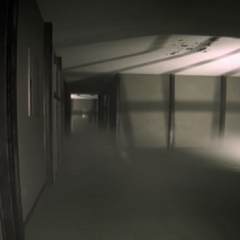
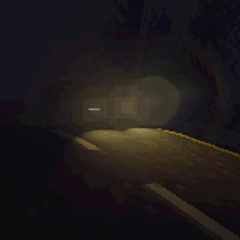
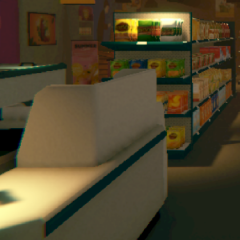
Slay Bells is a third-person survival horror game set on Christmas Eve, where the player must make their way through urban locations while being hunted by a dangerous pursuer. The premise is simple: reach home without being caught. The game places the player in outdoor streets and transit areas rather than a single closed building, which changes how danger is approached. Movement, awareness, and route choice matter more than direct confrontation, as survival depends on avoiding prolonged encounters.
Player Role and Core Objective
The player controls a lone character navigating the city late at night. There are no companions or guiding markers, so progress relies on exploration and environmental understanding. The objective is consistent throughout the game, but the path toward it is shaped by how the player reacts to threats. Movement is deliberate, and stopping in the wrong place can lead to sudden danger. The lack of constant instruction forces the player to stay attentive to surroundings rather than follow explicit tasks.
Enemy Presence and Survival Mechanics
The main threat actively searches for the player and reacts to proximity and visibility. While defensive tools exist, they do not turn the game into an action-focused experience. Instead, they provide short-term relief or allow escape from immediate danger. The enemy’s persistence means the player must think ahead and avoid repeating predictable routes. Survival is built around managing distance and timing rather than eliminating threats.
In the middle of gameplay, players regularly deal with:
· navigating open streets and enclosed passages
· avoiding direct encounters with the pursuer
· using items to delay or escape danger
· choosing routes based on visibility and cover
· maintaining movement without drawing attention
Environment Design and Navigation
The environment includes multiple interconnected areas that vary in openness and risk. Wide streets offer visibility but limited cover, while tunnels and narrow paths restrict movement but can hide the player temporarily. Learning how these spaces connect becomes essential, as poor navigation can lead to dead ends. The game encourages spatial memory and adaptation, rewarding players who learn safer paths and alternate routes.
Slay Bells maintains a consistent pace from start to finish, focusing on sustained tension rather than sudden escalation. There are no character upgrades or systems that reduce difficulty over time. Improvement comes from understanding enemy behavior and mastering navigation rather than unlocking abilities. Replay value lies in refining movement choices and route efficiency. The game delivers a focused survival experience that blends familiar holiday imagery with constant threat, emphasizing awareness, restraint, and decision-making over combat or progression systems.
