
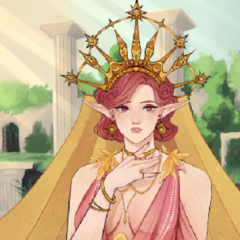
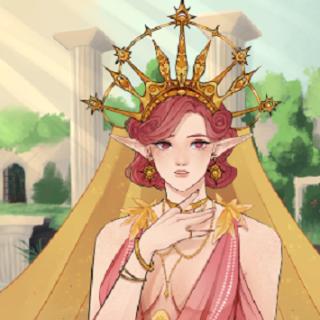













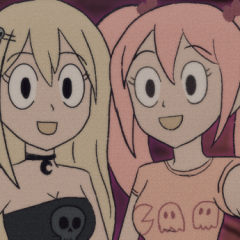
The Good People (Na Daoine Maithe) presents a story that begins in rural Ireland during the 1840s, grounding its opening in everyday survival rather than fantasy spectacle. The player character is a tenant farmer whose routine life is interrupted by a violent encounter on a country road. This moment acts as a forced transition rather than a chosen quest, moving the protagonist into Tír na nÓg, a fairy realm governed by unfamiliar laws and long-standing internal conflict. From the outset, the game frames entry into this world as a consequence of circumstance, not ambition.
Narrative Progression And Player Agency
The structure of The Good People (Na Daoine Maithe) is built entirely around narrative decisions. The player advances by reading scenes and selecting dialogue options that influence how characters respond and how events unfold. There are no mechanical challenges that distract from the story. Each choice contributes to shaping the protagonist’s standing among the fairy courts, sometimes in subtle ways that only become clear later. The pacing encourages careful consideration rather than experimentation, as actions cannot always be reversed.
Midway through the experience, players engage with several recurring systems:
· dialogue branches that affect trust and suspicion
· court affiliation paths with distinct narrative outcomes
· relationship development handled through conversation, not meters
· long-term consequences that persist between chapters
These systems reinforce the idea that narrative continuity matters more than short-term outcomes.
Social Structure Of Tír Na nÓg
The fairy realm is divided between rival courts whose conflict defines much of the political landscape. Rather than explaining this structure directly, the game allows players to learn through observation and participation. Customs, expectations, and restrictions differ depending on where the player aligns, and misunderstanding these rules can result in negative outcomes. Authority figures within the courts do not function as guides, forcing the player to interpret motives independently. This approach places emphasis on social awareness rather than explicit instruction.
Subject Matter And Tone
The story incorporates themes related to displacement, survival, and obligation. Historical elements such as famine-era hardship are present in the background and inform character motivations without dominating the narrative. Tension is created through uncertainty and limited information rather than overt conflict. The tone remains restrained, relying on dialogue and implication to communicate stakes. Moments of danger or loss are presented as results of prior decisions, reinforcing the game’s cause-and-effect structure.
Development Format And Access
The Good People (Na Daoine Maithe) is developed as an episodic visual novel, with chapters released over time. Each new volume expands existing routes rather than replacing earlier content, allowing players to revisit decisions with greater context. The game is available on itch.io for Windows, macOS, and Linux, and a free demo provides access to the opening section. This release model supports the game’s focus on long-term narrative development rather than immediate resolution.
