
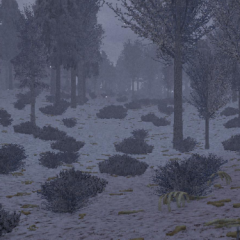
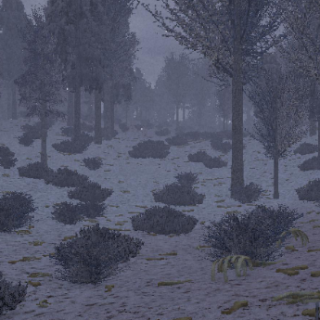


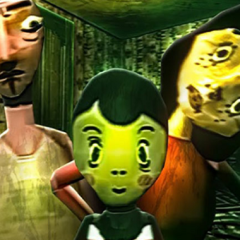






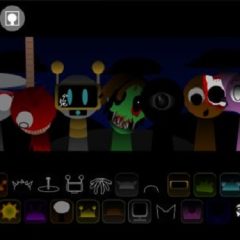


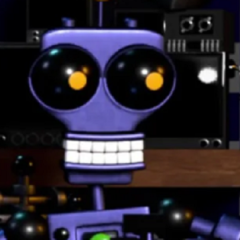
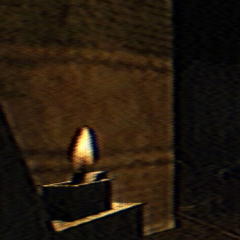

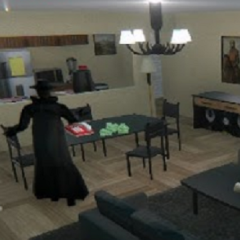
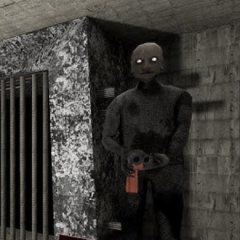
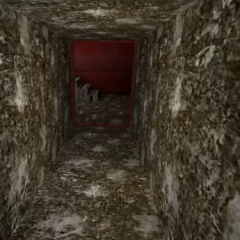
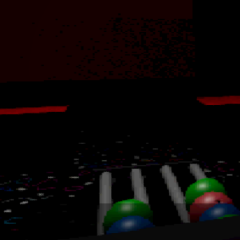
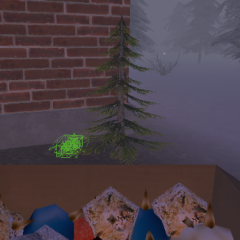
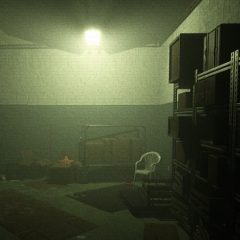
The Not-Deer Stew introduces a quiet winter cabin where the player must prepare a meal under unusual circumstances. The environment appears peaceful at first, yet routine actions quickly reveal that something in the forest behaves in an unexpected way. The game uses simple tasks to bring the player into the situation, focusing on small motions, item handling, and short interactions with the surroundings. Through this structure, the experience gradually shifts from neutral to tense without sudden transitions.
Progression and In-Game Actions
Core progression relies on collecting ingredients, completing basic food preparation steps, and managing time while unusual events unfold outside the cabin. The tasks themselves are straightforward, but the game places them within a space where the rules do not always remain stable. Sounds appear from unpredictable directions, doors shift slightly, and familiar objects occasionally seem misplaced. The player must continue the recipe while keeping awareness of subtle irregularities that interrupt the flow.
Primary Components of the Experience
To understand how The Not-Deer Stew builds its tone, it helps to highlight several central components that shape the player’s session:
· a winter cabin with minimal lighting and limited mobility
· simple cooking steps that require attention to timing
· environmental cues that create uncertainty
· a creature that moves in patterns that do not resemble typical wildlife
· a short structure that maintains steady pressure from start to finish
This group of elements forms the core of the experience. Nothing is excessive, yet each part influences the player’s sense of direction and caution.
Visual and Audio Presentation
The game relies on restrained visuals and controlled sound design. Objects appear with clear shapes but without unnecessary detail, allowing the environment to remain readable at all times. Ambient sounds shift based on the creature’s behavior, guiding the player’s awareness more effectively than explicit indicators. This approach creates a rhythm in which the player alternates between focused cooking and careful listening, unsure when the next disturbance might occur.
The Not-Deer Stew delivers a focused experience that blends domestic routine with a presence that behaves in an irregular manner. The game does not attempt to extend its length or complicate its mechanics. Instead, it presents a short sequence built around attention, timing, and observation. Players who prefer compact gameplay with a steady sense of tension may find the structure effective. The title stands out through its controlled pacing and the way it contrasts everyday activity with an encounter that cannot be fully understood.
