
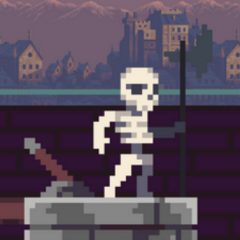

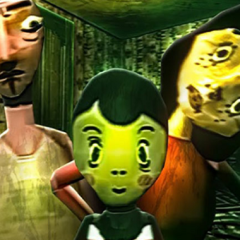









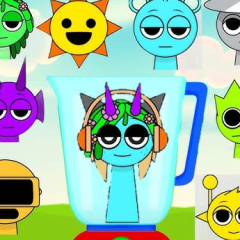












The Soul Collector 2 is an incremental management game built around repetition, scaling systems, and gradual expansion of internal mechanics. The player is placed into a closed interface where progress is defined by cycles rather than movement or narrative events. Each cycle produces a resource that can be reinvested to unlock new functions or improve existing ones. The sequel refines this structure by adding more layers that interact with one another over time, making long-term planning more relevant than short-term input.
Progress Structure And Internal Economy
The core structure of The Soul Collector 2 is based on an internal economy that grows through accumulation and redistribution. Instead of advancing through stages or locations, the player advances by increasing efficiency within the same system. Early progress is slow and requires frequent interaction, but later stages reduce manual input through unlocked features. This creates a clear contrast between early attention-driven play and later oversight-focused play. Decisions made early can influence how efficiently the system scales later.
Player Interaction And Repeating Actions
Interaction in The Soul Collector 2 relies on a limited but consistent set of actions that repeat across sessions:
· starting collection cycles
· allocating gathered resources
· unlocking passive generators
· activating system modifiers
· resetting or reinvesting for long-term gain
These actions form a loop that becomes familiar quickly. The challenge comes not from complexity, but from choosing when and where to apply resources. The game does not pressure the player with time limits, allowing decisions to be made at any pace.
Automation And Layered Growth
As more systems unlock, automation becomes the dominant force driving progress. Resource generation shifts from direct input to passive accumulation, with the player stepping into a supervisory role. New layers interact with earlier mechanics, sometimes altering their behavior rather than replacing them. This layering encourages players to revisit previous decisions and adjust strategies as new options become available.
