
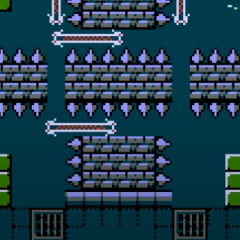
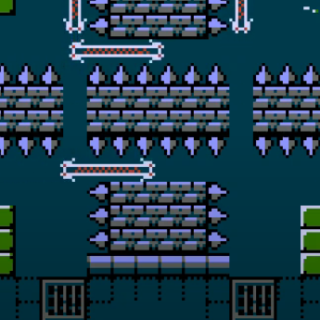

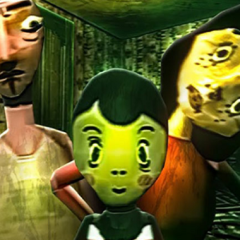

















The Trial of Kharzoid introduces the player to a world built around movement, impact, and navigating interconnected chambers. The main character is represented by a floating skull that rebounds off surfaces and interacts with objects placed throughout each room. Instead of direct movement, the player influences direction through careful timing and positioning. These interactions form the foundation of the gameplay, guiding the player through a structure of rooms that require both precision and planning.
Navigation and Room Layout
The world is divided into multiple rooms linked by doorways that appear once specific conditions are met. Some rooms require clearing obstacles, while others ask the player to strike targets that open passageways. Because each area connects to several others, movement through the world is not linear. The player must observe room layouts, understand how objects affect the skull’s trajectory, and navigate through a network of branching paths that move closer to the final trial set by Kharzoid.
Systems the Player Must Balance
During progression, the player regularly manages a series of interconnected systems:
· Directing the skull to hit breakable structures
· Identifying hazards that can halt progress
· Activating triggers that unlock exits
· Collecting items that support advancement
· Revisiting earlier rooms through alternate pathways
Together these systems create a rhythm based on repetition, correction, and exploration.
Challenge Structure and Player Control
Each room in The Trial of Kharzoid presents a unique layout that changes how the skull must be controlled. Some rooms are open and allow wide movements, while others contain narrow spaces that demand precise angles. The player must adjust how they approach each area depending on the placement of obstacles. Timing becomes essential, especially when bouncing between multiple surfaces in quick succession. The game’s challenges revolve around predicting outcomes and preparing for sudden changes in direction.
Exploring Different Routes
Because the world branches into several paths, the player is encouraged to experiment with different approaches. One room may lead to a shortcut, while another opens a longer route that contains additional challenges. The map becomes an important resource for tracking visited areas and identifying where new paths might lead. The ability to revisit rooms allows the player to adjust strategies, search for missed items, or simply try alternative methods of progression.
Overall Flow and Replay Potential
The Trial of Kharzoid offers a structure that supports multiple playthroughs. Different routes can be explored across attempts, and the outcome of each playthrough depends on the paths chosen throughout the world. The combination of movement-based mechanics and branching navigation gives the experience a flexible rhythm, allowing players to refine their skills each time they return. The final objective remains consistent: progress through the interconnected chambers and complete the trial set by Kharzoid.
