













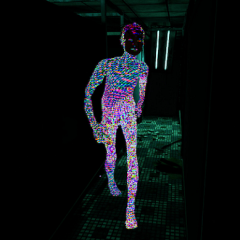
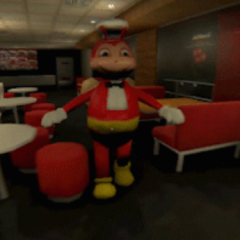

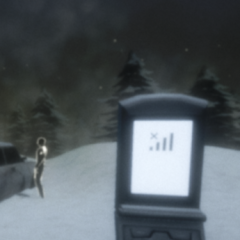

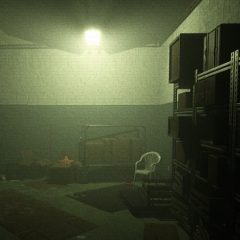
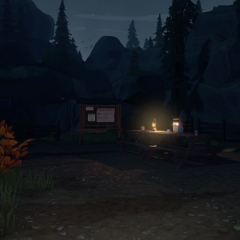
Warehouse Shift is a first-person horror simulation where the player completes night duties inside a storage facility. The main objective is to process incoming orders and prepare shipments while remaining inside a confined workspace. The gameplay begins with clearly defined tasks, creating a structured routine that the player follows step by step. Over time, this routine is interrupted by events that introduce uncertainty.
Task Flow and Responsibilities
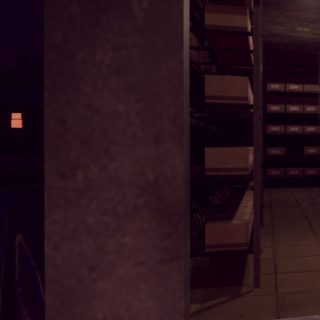
The core of Warehouse Shift is based on handling logistics tasks. Players receive instructions, locate specific items on shelves, and move them to designated areas for delivery. The environment is organized in a way that supports navigation, but requires attention to detail when searching for objects.
At the start, all systems function normally. Orders are straightforward, and interactions are predictable. This phase establishes the standard workflow that the player is expected to maintain throughout the shift.
Interaction and Control
Gameplay is centered on direct interaction with the environment. The player uses basic controls to pick up, move, and place items. Additional interactions include answering calls and responding to external prompts that occur during the shift.
Main gameplay actions include:
- collecting items from storage shelves
- assembling and verifying delivery orders
- placing packages in the correct locations
- responding to incoming phone calls
- continuing tasks while new events occur
These actions define the structure of each session.
Gradual Changes
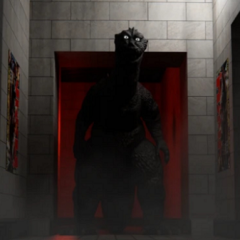
As the shift progresses, the environment begins to behave differently. Tasks remain the same, but external factors introduce disruptions. These may include unusual sounds, unexpected instructions, or changes in how events unfold.
The game does not clearly explain these changes, requiring the player to continue working while adapting to new conditions. This contrast between routine and disruption becomes the central element of the experience.
Session Progression
Warehouse Shift is designed as a single continuous session that represents one full shift. The sequence of events unfolds in a fixed order, with no major branching paths. The player completes tasks while observing how the situation evolves.
The structure emphasizes consistency in actions combined with variation in context. Players repeat the same types of tasks, but the conditions under which they are performed change over time. This creates a progression where familiarity and uncertainty exist simultaneously.
